Understanding Propane Tank Sizes for Your Torch
The real gap between a basic propane torch head and a trigger-start torch gun comes down to ignition reliability and how much flame control you get at low output. However, the fuel source, your propane tank and torch setup, is equally important. Whether you are searing a steak, soldering copper pipes, or clearing weeds, selecting the correct propane tank and connection for your torch makes a significant difference in convenience, run time, and overall efficiency.
This guide breaks down the common propane tank options, explains connection types, and walks you through how to properly connect a torch to various tank sizes. Make sure to always work in a well-ventilated outdoor area and check all connections for leaks before igniting your torch.
1 lb Propane Cylinders: Portability and Convenience
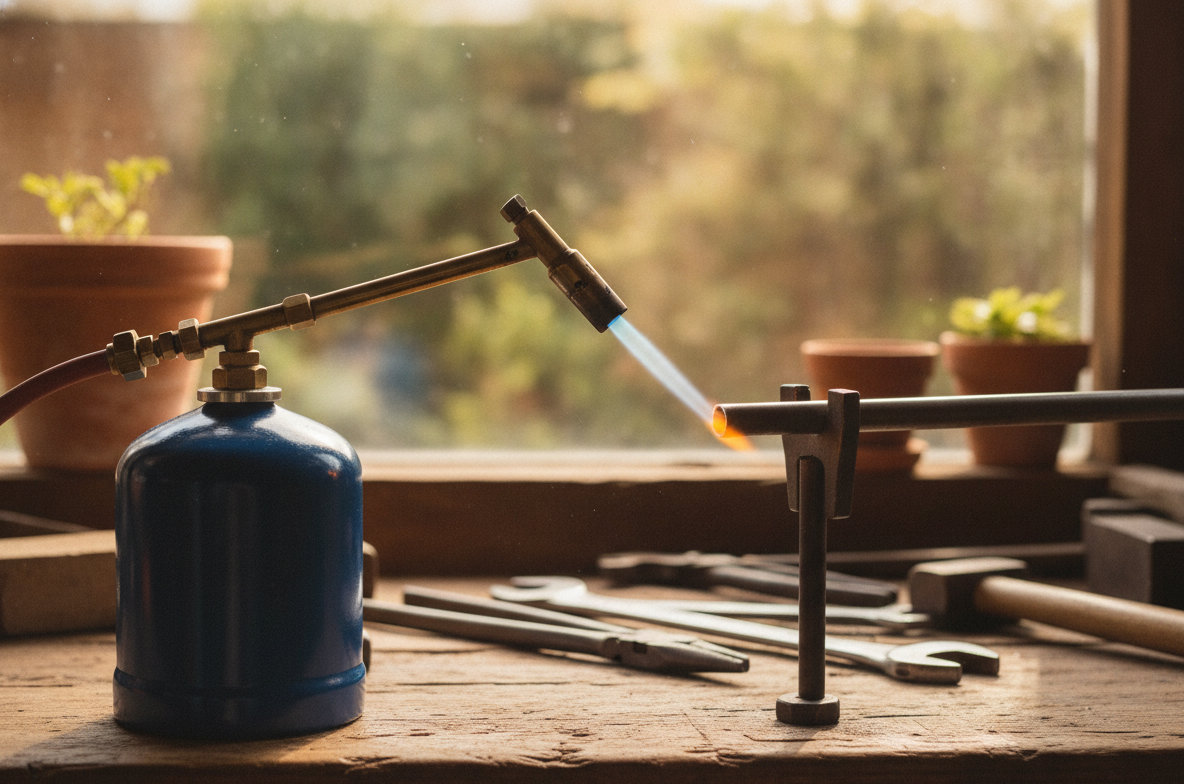
The 1 lb propane cylinder is the most common fuel source for small, handheld propane torches. These cylinders, often referred to as camping propane tanks or Bernzomatic propane cylinders, are compact and lightweight. They screw directly into the torch head, making for a highly portable and easy to use setup.
Ideal Uses for 1 lb Tanks
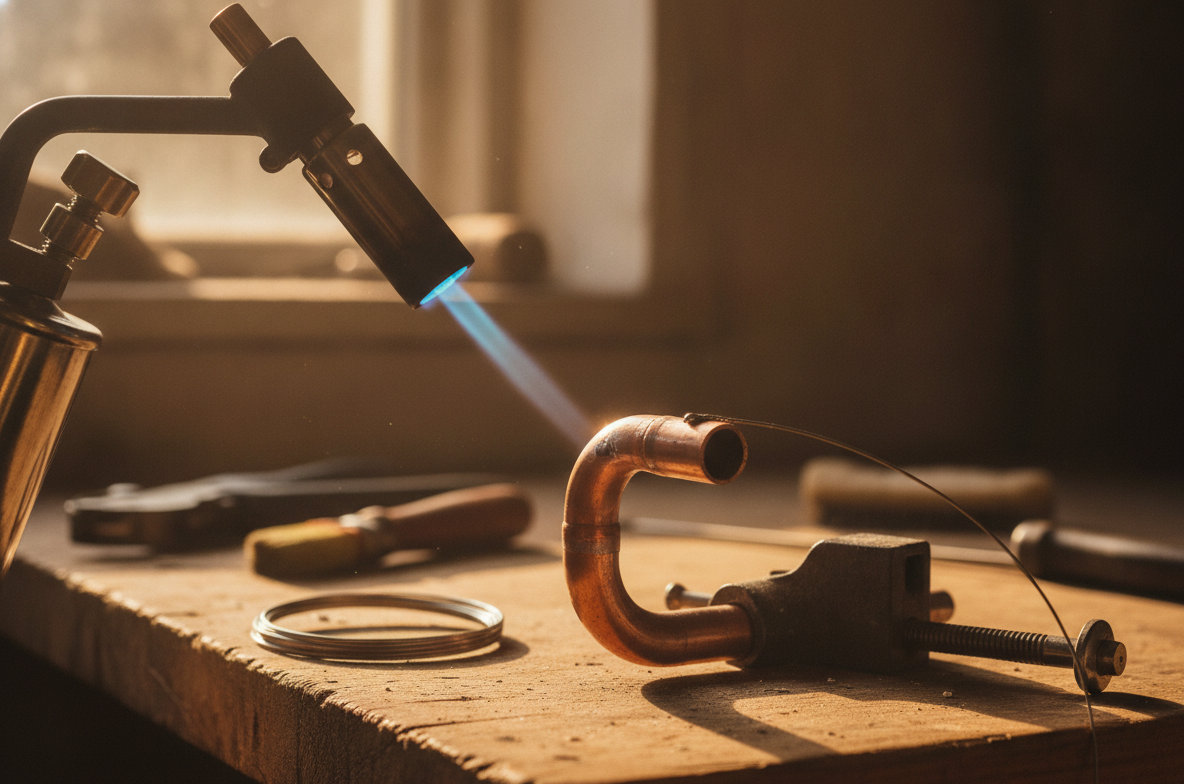
- Soldering and Brazing: Perfect for small plumbing repairs or crafting projects where precise heat is needed for short durations.
- Charcoal Lighting: Quickly igniting charcoal in a grill or smoker.
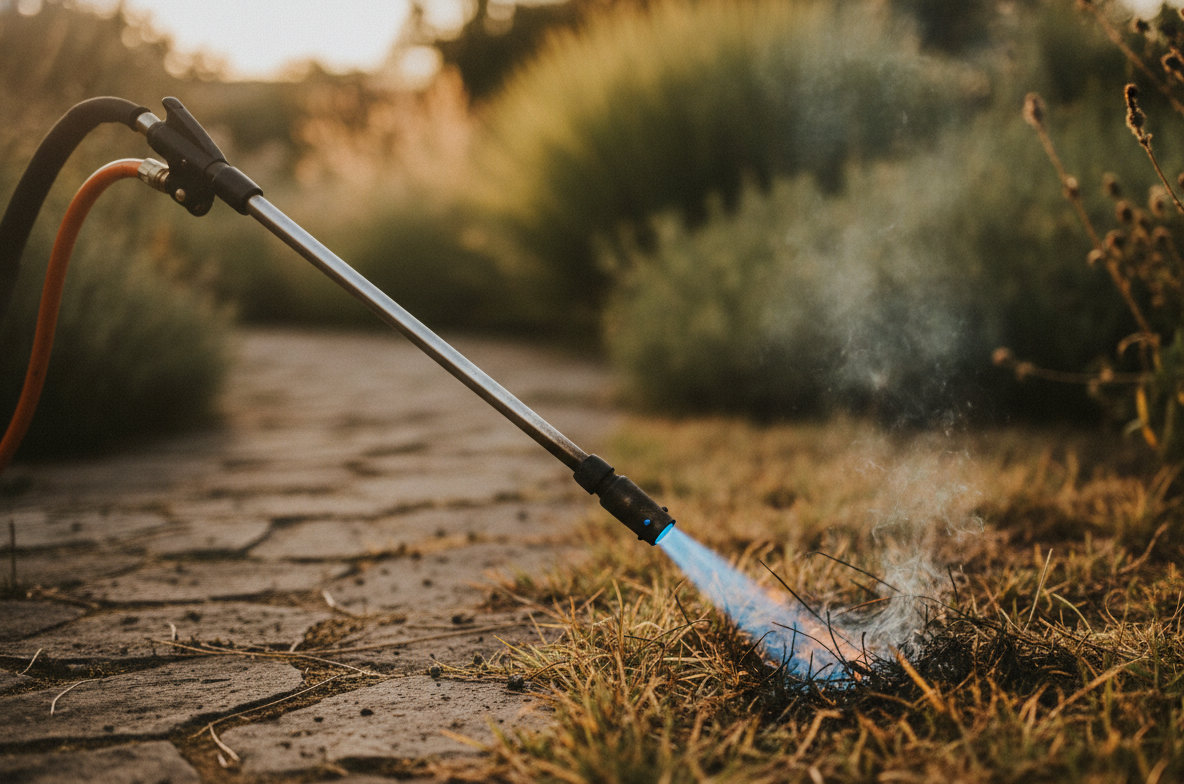
- Detail Weed Burning: Tackling small patches of weeds in driveways or patios.
- Camping and Backpacking: Powering small stoves or lanterns, though many torches are also designed for camping use.
Connection Type for 1 lb Tanks
These tanks typically use a CGA600 threaded connection.
Pros and Cons of 1 lb Tanks
- Pros: Extremely portable, easy to connect, no additional hoses or adapters needed for most torches. The Bernzomatic 14.1 oz propane cylinder is a readily available example.
- Cons: Limited run time (typically 1-3 hours depending on torch output), higher cost per pound of propane compared to larger tanks, generates more waste if using disposable versions.
Refillable 1 lb Options
While many 1 lb propane cylinders are disposable, refillable options are available. The Flame King 1LB EMPTY Propane Cylinder Tank offers a more sustainable choice. These DOT-compliant tanks can be refilled from a larger 20 lb tank using a specific adapter, reducing waste and long term costs. Refilling should always be done outdoors following the manufacturer's instructions carefully.

- ITEMS INCLUDED – (2) Refillable EMPTY 1LB Propane Tanks, (2) Caps, and (2) Allen Keys - 2mm (5/64") in size. REDUCE WASTE - Keep disposable propane tanks out of landfills; the Flame King 1LB refillable cylinder is your eco-friendly companion for camping, backpacking, and hiking.. SAFE TO USE - Flame King refillable propane tanks are the only 1LB tanks Certified by the DOT as legally and lawfully refillable and transportable; it is not safe or legal to refill and transport disposable 1LB tanks. SAVE TIME - Refill from the comfort of your backyard in few easy steps (please watch the video); compatible with any appliance that uses a 1LB propane tank
20 lb Propane Tanks: Extended Power for Larger Jobs
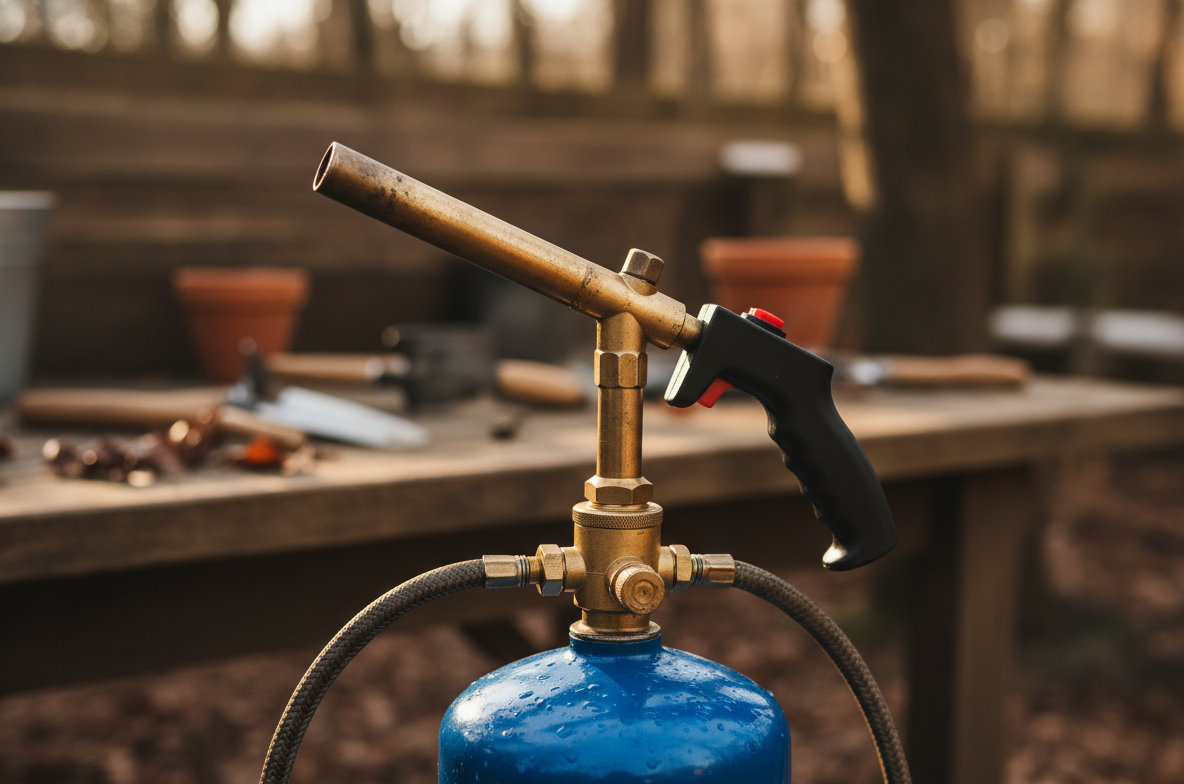
A standard 20 lb propane tank, the kind used for gas grills, offers significantly more fuel capacity than 1 lb cylinders. This translates to much longer run times, making them ideal for sustained or larger-scale projects. Connecting a torch for a propane tank of this size usually requires an adapter hose, as most torch heads are not designed to screw directly onto a 20 lb tank's valve.
Ideal Uses for 20 lb Tanks (with Adapter)
- Extensive Weed Burning: Clearing large driveways, gravel paths, or fence lines. This is where a homedepot propane torch kit with a hose often shines.
- Roofing and Asphalt Repair: Heating materials for repairs or installations.
- Large-Scale Soldering/Brazing: Projects requiring continuous heat for extended periods.
- Outdoor Cooking/Searing: High-heat applications that consume a lot of fuel.
Connection Type for 20 lb Tanks
These tanks use a QCC1/Type 1 connection, which is a larger, Acme-threaded connection with an internal safety shut-off. Torches designed for 1 lb cylinders will need an adapter hose to connect to a 20 lb tank.
Pros and Cons of 20 lb Tanks
- Pros: Excellent run time, much lower cost per pound of propane, fewer tank changes during a project.
- Cons: Less portable, requires an adapter hose, initial setup can be slightly more involved.
Propane Tank Adapters and Hoses
Adapter hoses are essential for bridging the gap between small torch heads and larger propane tanks. They allow you to use your existing 1 lb torch with a more economical 20 lb tank. This makes a torch for a propane tank versatile and efficient.
Types of Adapters and Hoses
- 1 lb to 20 lb Converter Hoses: These hoses have a CGA600 fitting on one end (for your torch) and a QCC1/Type 1 fitting on the other (for the 20 lb tank). They are available in various lengths, typically 4 to 10 feet. The Flame King 5-FT Steel Braided Hose is a durable option, offering a secure connection and resistance to wear.
- Regulators: Some hoses include an adjustable regulator to control the propane pressure, which is useful for applications requiring precise flame control or for very high-output torches. The GasOne 2109-RED 4 ft High Pressure 0-20 PSI Adjustable Regulator is an example of a hose with an integrated adjustable regulator.

- 1lb to 20lb CONVERTER: Converts 1-lb propane connections to a connector that universally fits standard propane tanks (5lbs-40lbs). CSA-APPROVED: 5-FT steel braided hose; a more durable alternative than the standard rubber hose; animal chew proof, weather resistant, and UV resistant. RUST PROOF CONNECTORS (QCC1/Type1 connector x CGA600 Outlet): Long-lasting and precision-engineered connectors provide a secure, air-tight connection between your propane source and your appliances. SAFE and SECURE: Quick and easy to set up; eliminates the need to use multiple 1lb tanks, great for outdoor cooking, BBQ, camping, tailgating, or heating needs
When choosing an adapter hose, consider the length you need for comfortable operation. A longer hose provides more reach and allows you to keep the larger propane tank at a safe distance from your work area. Make sure the hose is CSA-approved for safety and durability.

- USER FRIENDLY AND TOP QUALITY CONNECTION - this high-pressure regulator and hose is adjustable from 0-20 psi with its red knob and has a top notch output for a wide variety of propane appliances from burners and heaters to smokers and fryers. LONG LASTING AND DURABLE - Gas One’s 2109-RED High-Pressure Regulator provides an air-tight connection for your propane appliances. Made with high quality rubber and brass connections, It ensures a stable connection and a leak-free experience with your heavy-duty appliance. READY FOR USE - The high-pressure hose and regulator is ready to use right out of the box. Simply connect the regulator to the tank and appliance when ready to use (tightening with tools suggested for a secure connection). MEASUREMENTS - The 2109-RED measures at 4ft long and is made to have a secure fitting with type-1 (QCC-1) propane tank connections. The hose has an inside ⅜-inch flare fitting and has an outside diameter of ⅝ inches
step by step Guide: Connecting Your Torch to a Propane Tank
Always perform these steps outdoors or in a very well-ventilated area, away from any ignition sources.
Required Tools and Materials:
- Propane torch head
- Propane tank (1 lb or 20 lb)
- Adapter hose (if using a 20 lb tank)
- Adjustable wrench (optional, for tightening QCC1 connections)
- Soapy water solution (for leak testing)
Procedure:
- Step 1: Inspect Equipment (Time: 1-2 minutes)
Visually inspect your torch, tank, and any adapter hoses for damage, cracks, or debris. Make sure all threads are clean and free of obstructions. Do not use damaged equipment. - Step 2: Connect Torch to 1 lb Tank (Time: 1 minute)
If using a 1 lb cylinder, carefully screw the torch head directly onto the tank's CGA600 threaded valve. Hand-tighten until snug. Do not overtighten, as this can damage the O-ring seal. - Step 3: Connect Torch to Adapter Hose (Time: 1 minute)
If using an adapter hose, first screw the torch head onto the smaller CGA600 end of the hose. Hand-tighten until snug. - Step 4: Connect Adapter Hose to 20 lb Tank (Time: 1-2 minutes)
Next, connect the larger QCC1/Type 1 end of the adapter hose to the valve on the 20 lb propane tank. Hand-tighten, then use an adjustable wrench for an additional quarter-turn to make sure it is secure. Some connections will have a hand-tightening knob that does not require tools. - Step 5: Perform a Leak Test (Time: 2-3 minutes)
This step is critical. With all connections made and the torch valve closed, slowly open the propane tank valve. Do not open it quickly, as this can trigger the excess flow safety device on 20 lb tanks. Apply a soapy water solution (dish soap and water) to all connections. If bubbles appear, you have a leak. Tighten the connection or replace the faulty component. Never use a torch with a leak. - Step 6: Ignite the Torch (Time: 1 minute)
Once you have confirmed there are no leaks, open the torch valve slightly and ignite the torch using its integrated igniter or a separate spark lighter. Adjust the flame as needed. Remember to hold the torch at a roughly 30 to 60-degree angle, away from dry brush or structures. - Step 7: Shut Down (Time: 1 minute)
When finished, close the propane tank valve first to burn off any residual gas in the hose or torch head. Once the flame extinguishes, close the torch valve. Allow the torch to cool completely before storing it.
Safety Considerations for Propane Torches
Working with propane and open flames requires strict adherence to safety guidelines. Always prioritize safety to prevent accidents and injuries.
- Ventilation: Always use propane torches outdoors or in extremely well-ventilated areas. Never use them indoors or in enclosed spaces.
- Leak Checks: Always perform a leak test with soapy water after connecting a tank, hose, or torch.
- Storage: Store propane tanks upright in a cool, dry, well-ventilated area, away from direct sunlight, heat sources, and ignition sources. Disconnect torches from tanks before storage.
- Flammable Materials: Keep torches away from all flammable materials, including dry leaves, grass, wood, and structures. Have a fire extinguisher or water source nearby when operating a torch, especially for weed burning. Check local burn bans and fire regulations before using a torch for weed control.
- Personal Protective Equipment (PPE): Wear appropriate PPE, including gloves and eye protection, when operating a torch.
- Tank Orientation: Always keep propane tanks upright during use. Never operate a torch with the tank inverted.
- Manufacturer Instructions: Always follow the specific instructions and warnings provided by the manufacturer of your torch, tank, and accessories.
For more information on choosing the right torch for various applications, you can explore our guide on Which Propane Torches Fit Which Job.
If you are specifically interested in weed burning, consider reading about the Best Propane Weed Torches for Driveways, Gravel & Fence Lines.