Understanding Propane Weed Torch Types
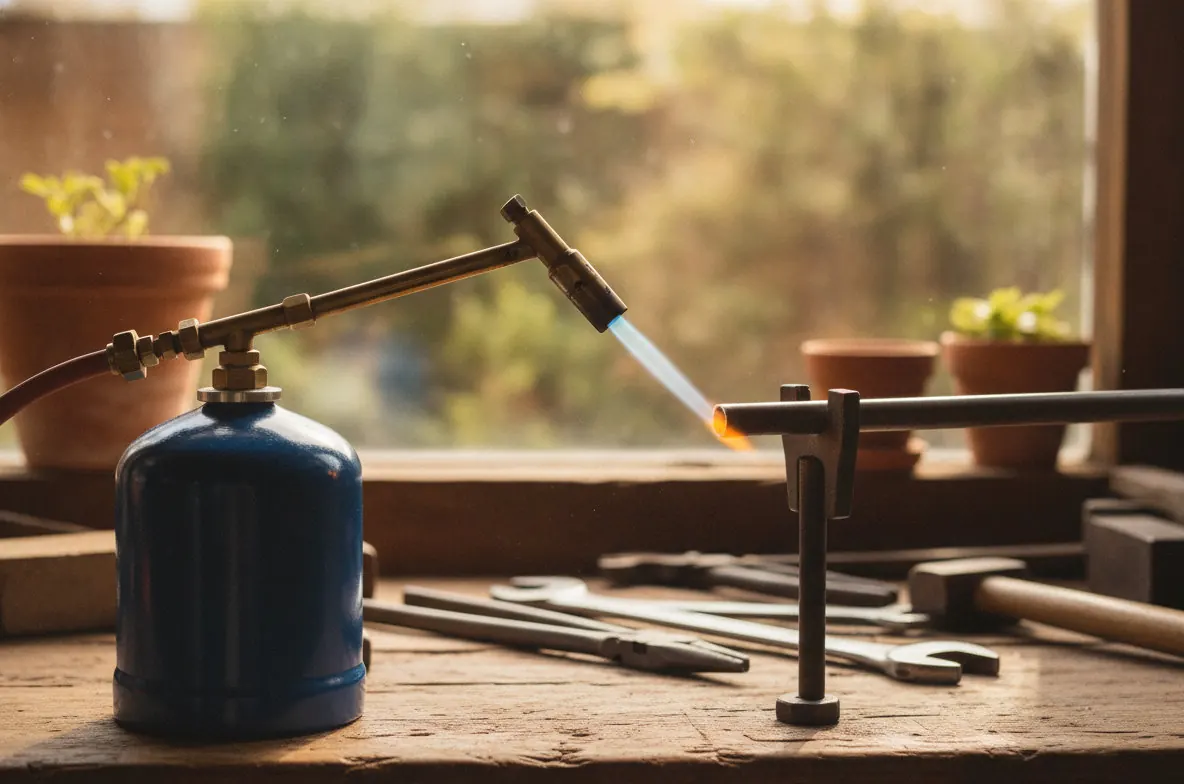
Propane weed torches offer an effective, chemical-free method for controlling unwanted vegetation. The primary distinction among these tools is between compact, handheld torch guns and longer, wand-style weed burners. Each type serves different purposes and excels in specific scenarios. Choosing the right one depends on the size of your weeding project, the type of weeds, and your comfort with handling the tool.
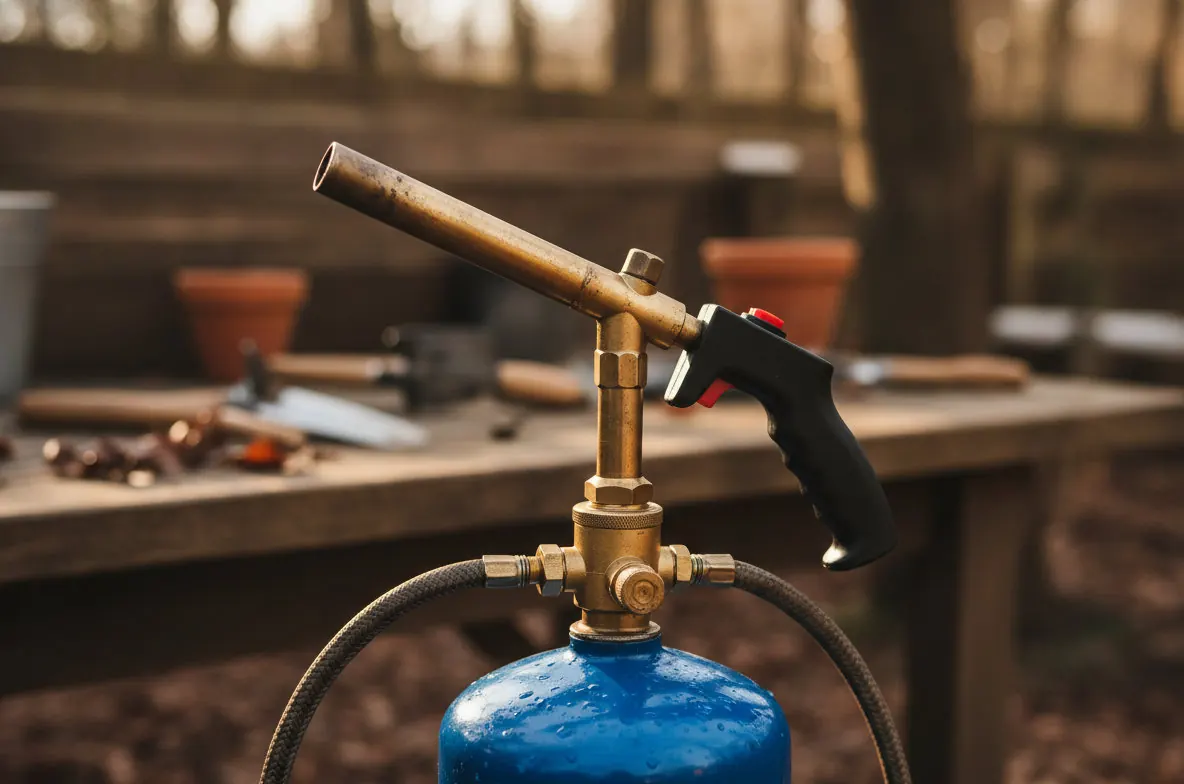
Handheld propane torch guns, like the PricoJoy Model 8806, are excellent for small, targeted areas. These torches connect directly to a 1 lb propane cylinder, offering portability and precision. They are ideal for spot-weeding between pavers, around garden beds, or along fence lines where accuracy is important. Their compact size makes them easy to maneuver and store. However, they are not designed for extensive areas, as continuous use can be tiring, and the fuel capacity of a 1 lb tank is limited.
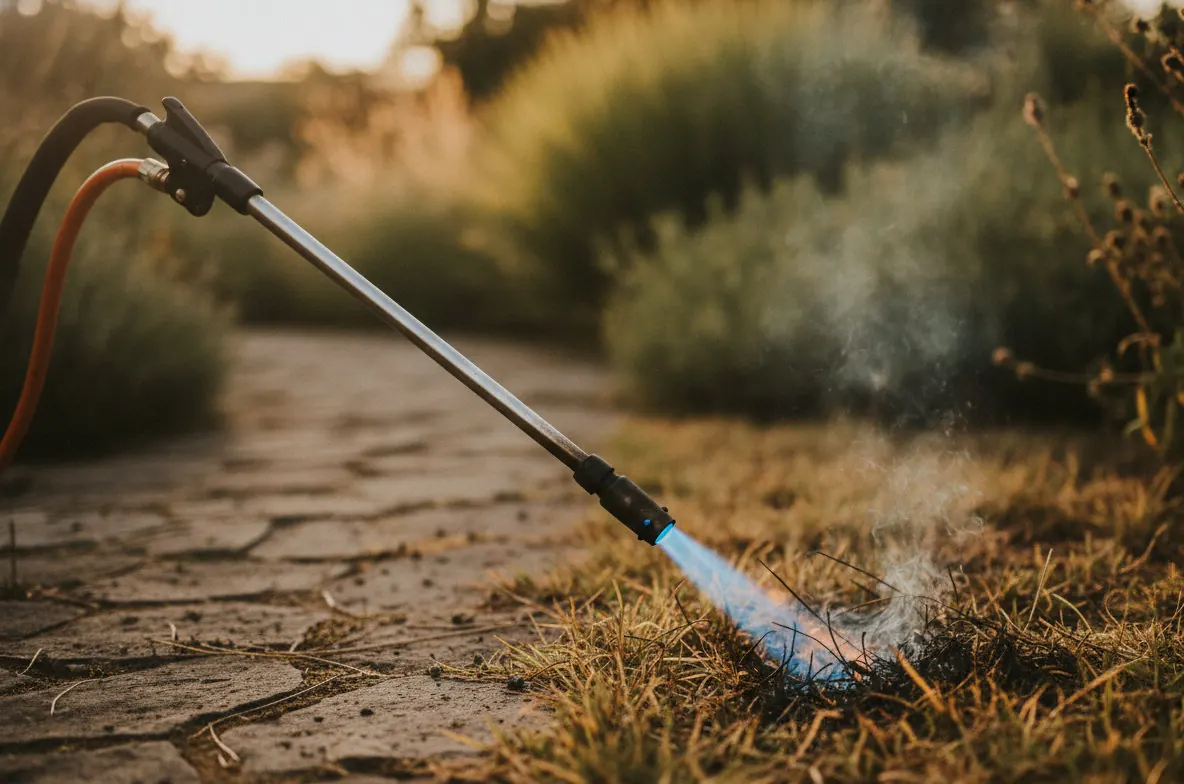
Long-wand propane weed burners, often called propane brush torches or lp weed burners, are built for larger tasks. These typically feature a wand that can extend several feet, connecting via a hose to a larger 20 lb propane tank. The extended reach allows you to stand upright, reducing back strain over long periods. They deliver a powerful flame suitable for clearing driveways, large garden paths, or open areas with dense weed growth. While more powerful and comfortable for big jobs, they require managing a hose and a heavier tank, making them less agile for precise work.
| Hand-held torch gun | Long-wand weed burner | |
|---|---|---|
| Reach | Short: you work close to the weed | Long: you can stand upright |
| Best for | Small patches, cracks, edges | Larger areas, borders, gravel |
| Fuel supply | Varies by model; check the listing | Usually a hose to a larger tank |
| Handling and storage | Lighter and simpler to store | Longer, with a hose to manage |
| Watch for | Dry vegetation and wind | Dry vegetation, wind and hose placement |
Reach and Ergonomics for Weed Control
The length and design of a propane weed torch significantly impact user comfort and effectiveness. For small-scale weed control, a handheld torch gun provides excellent maneuverability. The PricoJoy Model 8806, for example, is built with an impact-resistant ABS body, designed for easy handling during tasks like searing food or clearing small weed patches. Its compact form factor allows for precise application of heat.
When tackling larger areas with a propane brush torch, a longer wand length is a major advantage. A wand that allows you to stand comfortably while directing the flame to the ground minimizes bending and stooping. Look for models with an ergonomic grip on the handle to reduce hand fatigue. Some long-wand weed burners also feature an adjustable handle or a secondary grip for better control and balance, especially when moving across uneven terrain. The goal is to make the process as comfortable as possible for extended use.
Output and Flame Control: Blow Torch for Weeds
The ability to control the flame output is a critical feature for any blow torch for weeds. Different weeds and situations require varying heat intensities. A torch with stepless flame adjustment allows you to dial in the exact flame size and power needed. This conserves propane for smaller weeds and provides maximum heat for tougher, more established plants.
The PricoJoy Model 8806, for instance, produces a strong, steady flame rated up to 3272°F via stepless adjustment. This allows for custom flame output, from a gentle low flame to peak output. It also includes a one-touch max-fire button for instant maximum-grade flame when extra power is needed. This kind of precise control is beneficial for targeted weed burning, where you want to minimize impact on surrounding desirable plants or surfaces.
Effective flame weeding does not require incinerating the weed. Instead, the goal is to heat the plant cells rapidly, causing them to burst. This often means a quick pass of the flame, just enough to make the leaves wilt or change color slightly. More powerful torches can achieve this effect faster, but too much heat can be wasteful or even a fire hazard if not managed carefully. Always adjust the flame to the task at hand.
Hose Length and Tank Fit
The connection between your propane weed torch and the propane tank is vital for both functionality and safety. This setup offers maximum portability, making it easy to move around small spaces without a trailing hose. However, 1 lb tanks have limited fuel capacity, requiring frequent replacements for larger jobs.

- Durable, Easy to Use: Built with an impact‑resistant ABS body and alloy nozzle coated with a high‑temperature‑resistant finish. The propane torch delivers reliable daily performance and is simple to operate, even for new users.. One Torch, Multiple Uses: This food torch sears steak, melts cheese and roasts veggies. Outdoors, it acts as a propane weed torch for clearing weeds and a fire starter torch for lighting charcoal grills. A practical gift for home cooks and outdoor lovers.. Powerful, Adjustable Flame: Our torch produces a strong, steady flame up to 3272°F via stepless adjustment,for custom flame output from a gentle low flame to peak output. Tap the one‑touch max‑fire button for instant maximum‑grade flame.. Two‑fold Protection, Upgraded Safety: Built‑in safety lock stops accidental max‑fire presses, especially suited for busy work conditions and child‑present settings. This propane torch gun’s tight gas sealing minimizes leaks for extra daily‑use protection.
For long-wand propane weed burners, the hose length is a key consideration. A longer hose (typically 6 to 10 feet) allows you to leave a larger 20 lb propane tank in a stationary, safe position while you move the wand around. This significantly reduces fatigue compared to carrying the heavier tank. Make sure the hose and fittings are compatible with your chosen propane tank. Most weed burners are designed for standard POL (Prest-O-Lite) connections found on 20 lb BBQ-style tanks. Always check for a tight gas sealing to minimize leaks, as emphasized in the PricoJoy Model 8806's design for safety.
types of propane tanks and adapters available for torches. Matching the torch to the correct tank size and connection type is essential for safe operation.
Ignition Methods
Ignition is a convenience factor that can greatly impact your user experience. Propane weed torches typically come with one of two ignition methods:
- Manual Ignition: This requires a separate spark lighter or striker to ignite the propane. It is a reliable method and often found on simpler, more budget-friendly models. The downside is the need for a second tool and sometimes a few attempts to light the torch, especially in windy conditions.
- Auto-Ignition (Piezo or Trigger-Start): Many modern propane weed burners and torch guns feature a built-in igniter. Piezo ignition generates a spark when a button is pressed, while trigger-start mechanisms light the flame as you depress the trigger. The PricoJoy Model 8806, for example, offers easy operation even for new users. Auto-ignition is far more convenient, allowing for quick starts and restarts without fumbling for a separate lighter. This is particularly useful when you need to frequently turn the torch on and off for safety or to move between tasks.
Regardless of the ignition type, always make sure the torch is pointed safely away from yourself, others, and any flammable materials before ignition. Always operate the torch outdoors or in very well-ventilated areas.
Safety and Fire Risk Rules for Propane Weed Torches
- Local Burn Bans and Regulations: Before operating any propane weed torch, check with your local fire department or municipal authority for burn bans or fire restrictions. Dry conditions, high winds, or specific times of the year can trigger bans, making it illegal and dangerous to use open flames outdoors.
- Clear the Area: Always make sure the area around your target weeds is clear of highly flammable materials. This includes dry leaves, brush, wood chips, paper, gasoline, or other combustibles. Have a water source (hose or bucket) or a fire extinguisher nearby and ready for immediate use.
- Weather Conditions: Avoid using a weed torch on windy days. Wind can unpredictably spread flames and embers to unintended areas, increasing the risk of brush fires.
- Proper Angle and Distance: Hold the torch at a roughly 30 to 60-degree angle, directing the flame downwards and away from yourself. Never point the flame at people, pets, or structures. Never hold the torch inverted.
- Tank and Hose Check: Before each use, inspect your propane tank and hose for leaks. A common method is to apply a soapy water solution to connections. Bubbles indicate a leak. Make sure all connections are tight.
- Surface Considerations: Be aware that intense heat can damage or crack certain surfaces, such as asphalt, concrete, or stone pavers. Use caution and avoid prolonged heat application on these materials.
- Personal Protective Equipment (PPE): Wear appropriate PPE, including long pants, closed-toe shoes, gloves, and eye protection.
- Weed Type and Conditions: Flame weeding works best on young, actively growing weeds. More mature weeds may require multiple passes or a combination with other methods. Avoid using a torch on extremely dry vegetation, as it can easily ignite and spread fire.
Understanding how to choose a propane torch for any task, including weed control, always involves prioritizing safety. Proper technique and awareness of your surroundings are essential.
Long term Cost and Maintenance
The long term cost of owning a propane weed torch extends beyond the initial purchase price. The primary ongoing expense is propane fuel. A 1 lb cylinder, while convenient for handheld torch guns, will deplete quickly during extensive weeding, making the per-pound cost higher than a 20 lb tank. For larger jobs, using a long-wand burner connected to a refillable 20 lb propane tank is more economical over time. While the upfront cost of the 20 lb tank is higher, the cost of propane refills is significantly lower per pound.
Maintenance for a propane weed torch is generally minimal. Keep the nozzle clean of debris, especially after use in dusty or dirty environments. Periodically check the hose for cracks or wear if you are using a long-wand burner. Make sure all connections remain secure and free of leaks. Storing the torch in a dry, protected area when not in use will extend its lifespan. The PricoJoy Model 8806, for example, is built for reliable daily performance, emphasizing durability and simple operation.
Investing in a well-constructed torch, even if it has a slightly higher initial cost, often leads to better long term value due to greater durability and fewer replacement parts. A torch designed with tight gas sealing, like the PricoJoy Model 8806, can also prevent wasteful leaks and improve overall safety.
For more details on torch features, including ignition and safety locks, you can refer to our article on propane torch guns.
Propane torch safety checklist
- Use a propane torch outdoors or in a very well-ventilated space only. Never use one indoors or in an enclosed space.
- Read and follow the manufacturer's instructions before first use.
- Check hoses and connections for leaks before lighting, with soapy water. Never use a flame to look for a leak.
- Check local burn bans and fire restrictions before using a torch outdoors, and note the wind.
- Clear dry brush, leaves and anything flammable from the work area.
- Hold the torch the way the manufacturer specifies and never turn it upside down. For the PricoJoy Model 8806 the brand specifies a 30 to 60 degree angle.
- Never point the flame at people, pets or flammable material.
- Keep a fire extinguisher or a water source within reach, and wear gloves suited to heat.
- When you finish, close the valve fully, let the torch cool, and store cylinders upright in a ventilated place away from heat.
Sources and further reading
Independent references on the topics in this guide. We are not affiliated with them, and we do not claim they endorse any product.